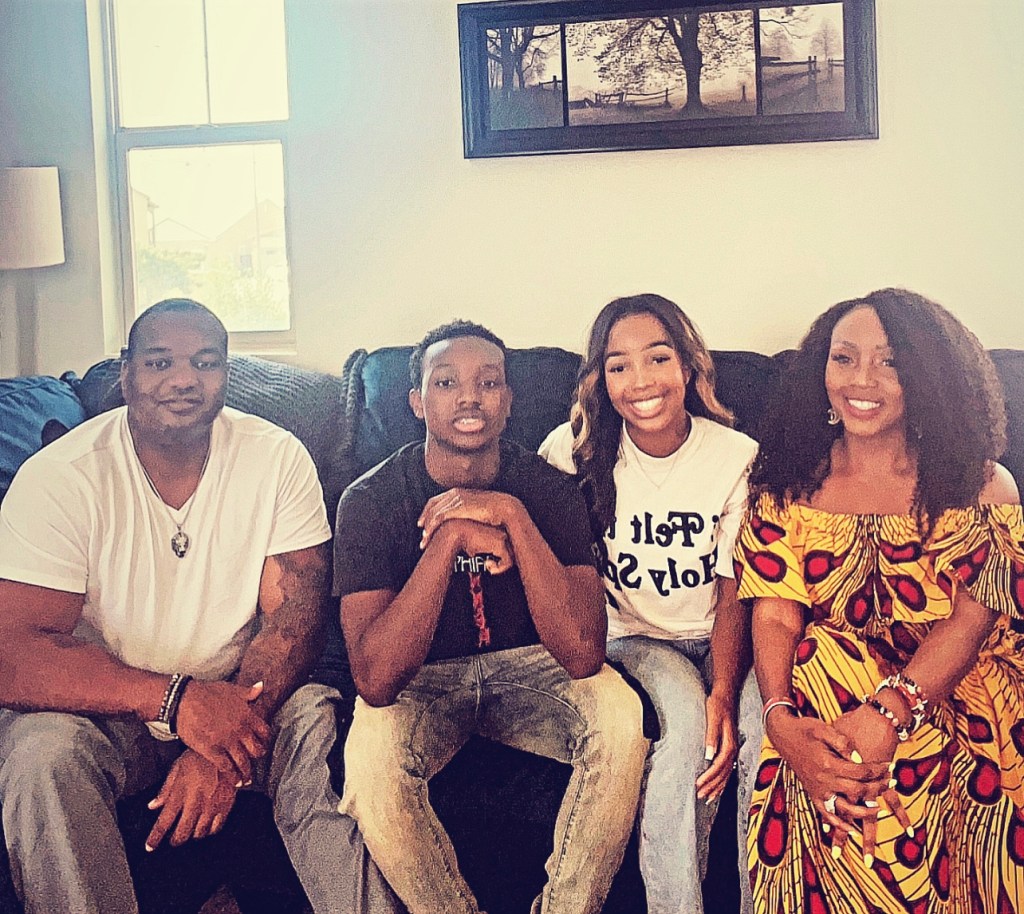
Being from a different country and raising first-generation Americans can be challenging. What’s more difficult is trying to adopt two cultures in a household where both parents are from opposite parts of the world.
Raising children in a multicultural home is a unique and rewarding experience that comes with its own set of benefits and challenges. When parents come from two cultures, such as the African and African-American cultures, they give their children a rich tapestry of traditions, values, and perspectives. Let’s explore some of the key benefits and challenges that arise in this beautifully diverse parenting journey.
Cultural Awareness and Appreciation: Children growing up in a household with parents from both African and African-American cultures can be exposed to diverse customs, languages, and histories. This exposure fosters a deep cultural awareness and appreciation, allowing kids to embrace their roots and identity with pride.
Open-Mindedness: Being raised in a multicultural environment nurtures open-mindedness and tolerance. Children learn to value different viewpoints and understand that there is more than one way to perceive the world.
Language Skills: Bilingual or multilingual upbringing is ordinary in households with diverse cultural backgrounds. Learning multiple languages early enhances cognitive abilities and communication skills, providing children a competitive edge in a globalized world.
Resilience and Adaptability: Navigating between two distinct cultures requires flexibility and adaptability. Children from such backgrounds often develop resilience and the ability to embrace change gracefully.
Rich Traditions: Parents can pass down a wealth of traditions, ceremonies, and rituals from both cultures, reinforcing family bonds and fostering a sense of belonging.
While there are tremendous benefits, there are also challenges.
Balancing Traditions: Maintaining a balance between two distinct cultural heritages can be challenging. Parents must carefully navigate cultural differences to ensure their children appreciate both sides equally.
Identity Confusion: Children may experience identity confusion as they try to reconcile their dual cultural heritage. Parents should create a supportive environment, encouraging their kids to embrace their unique identity.
Social Pressure: The children may encounter societal pressure from both cultures to conform to specific norms or expectations. This can lead to a sense of being caught between two worlds.
Language Barriers: While bilingualism is advantageous, it can also present challenges when children struggle to switch between languages or feel more proficient in one over the other.
Communication Styles: African and African-American cultures have distinct communication styles, sometimes leading to misunderstandings or misinterpretations within the family dynamic.
Raising children in African and African-American cultures offers many benefits regarding cultural enrichment, adaptability, and resilience. However, it also comes with the responsibility of navigating potential challenges such as identity formation and balancing cultural expectations. Embracing diversity and open communication within the family can help create a harmonious and nurturing environment that celebrates the best of both worlds.

 A Piece of my world 🇧🇪